
What is Flat Iron Steak?
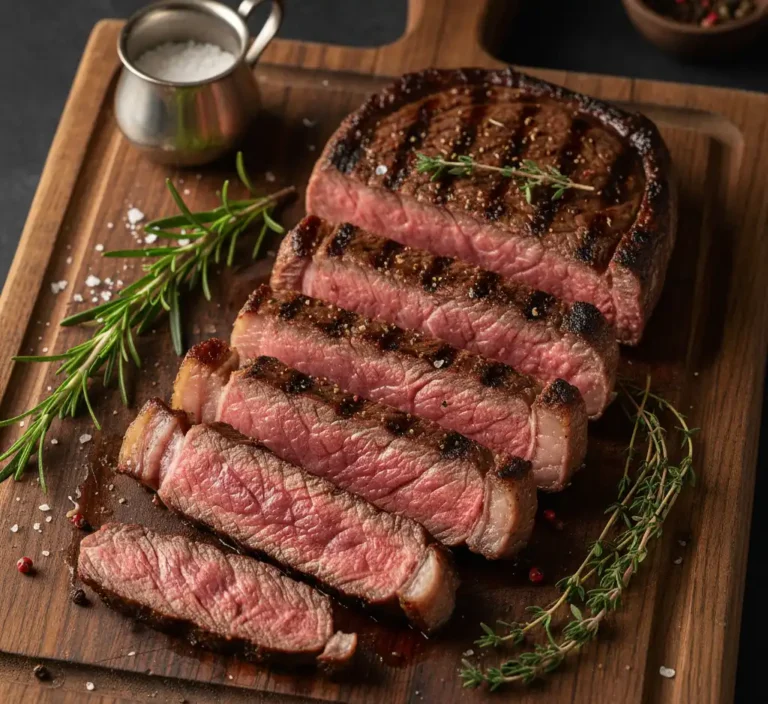
Flat Iron Steak is a relatively new favorite among steak lovers, known for its soft texture and deep, meaty flavor. Cut from the top blade of the cow’s shoulder, it’s meticulously cleaned to remove tough connective tissue, which makes it surprisingly tender for a shoulder cut. Unlike pricier steaks like ribeye or tenderloin, flat iron provides outstanding taste at a more affordable price, making it an appealing option for both home cooks and professional chefs. Its marbling provides juiciness and depth of flavor, which are evident whether grilled, pan-seared, or broiled. This versatility allows it to be served in a variety of ways, from traditional steak dinners to sandwiches and salads, making it ideal for both everyday meals and special occasions. Flat iron steak has won a place on menus and in kitchens all across the world for its combination of flavor, softness, and cost.
What Part of the Cow is Flat Iron Steak From?
The cow’s shoulder, more especially the upper blade part of the chuck, is where flat iron steak originates. A stiff segment of connective tissue runs across the middle of the top blade, which is a delicious and well-marbled portion of the shoulder. Butchers meticulously remove the sinew, producing a soft, flat cut of beef. This procedure alters a part of the shoulder that used to be considered tough into a steak that rivals more expensive cuts in tenderness and flavor. A well-marbled, juicy steak that is ideal for rapid, high-heat cooking techniques like grilling or searing is the end product.
Why is it Called Flat Iron Steak?
The name “Flat Iron Steak” refers to the unique shape and look of the steak. Once the tough connective tissue has been removed, the cut is rectangular, flat, and uniform, similar to an old-fashioned flat clothes iron. This shape, together with its tenderness and uniform thickness, lends itself to even cooking on a grill or pan. The name stuck because it’s easily recognizable and emphasizes the cut’s distinct, flat, and sleek shape when contrasted to other steaks. Over time, chefs and meat enthusiasts began to use the term “flat iron” to designate especially to this top-blade shoulder cut.
What Does Flat Iron Steak Taste Like?
Flat Iron Steak is known for its rich, meaty flavor and well-marbled texture, making each bite juicy and fulfilling. The marbling keeps the steak soft while cooking and releases tasty fat, which improves the natural beef flavor. When compared to ribeye, it is slightly less fatty but still has a rich, powerful flavor, making it a more inexpensive but equally enjoyable choice. When compared to sirloin, flat iron is more delicate and evenly textured, with a buttery mouthfeel that retains the robust flavor of classic beef. Its flavor is versatile; it exquisitely absorbs marinades and sauces while retaining its inherent depth. Flat iron steak combines softness, juiciness, and a rich, meaty flavor, making it a favorite among both amateur cooks and professional chefs.
Are Flat-Iron Steak Tender?
Yes, flat iron steak is incredibly soft, particularly considering it comes from the cow’s shoulder (chuck). Traditionally, shoulder cuts are harsher due to connective tissue and muscular use, but the flat iron steak is meticulously trimmed to remove the core sinew, leaving just soft, well-marbled flesh. It is now the second most tender of the standard cuts of steak, behind tenderloin. Its uniform thickness and marbling also aid in even cooking, guaranteeing a succulent, mouthwatering texture when cooked properly. This natural suppleness and good butchering make flat iron steak perfect for broiling, pan-searing, or grilling.
How to Cook Flat Iron Steak?
Flat-iron steak is adaptable and cooks nicely at high temperatures, maintaining its juicy texture. Here’s how to achieve the greatest outcomes:
Grilling: Set the grill’s temperature to high. Add salt, pepper, and your preferred marinade or rub to the meat. Grill for approximately 4-5 minutes per side for medium-rare, depending on thickness. Before slicing, let it rest for a few minutes.
Pan-Searing: Bring a hefty skillet or cast-iron pan to a high temperature. Sear the steak for 3–4 minutes on each side after adding a small amount of oil. Baste with butter and herbs for added taste, and always cut against the grain.
Broiling: The steak should be placed on a broiler pan 4–5 inches away from the heat source. Broil for 4-5 minutes per side, flipping once, to desired doneness.
Internal Temperature Guide:
- Rare: 120–125°F (49–52°C)
- Medium-Rare: 130–135°F (54–57°C)
- Medium: 140–145°F (60–63°C)
Resting: Always let the steak sit for 5-10 minutes after cooking to allow the fluids to redistribute.
Flat Iron Steak’s uniform thickness and marbling make it ideal for quick, high-heat cooking, resulting in a juicy, tasty steak each time.
How to Season Flat Iron Steak?
It’s easy to season flat iron steak since it already has a deep, meaty flavor that comes through with no help. Here’s how to bring out its inherent flavor:
- Basic Seasoning: Add salt and freshly ground black pepper first. Coat both sides of the steak liberally approximately 30-40 minutes before cooking to allow the flavors to permeate the meat.
- Herbs & Aromatics: Incorporate fresh herbs such as oregano, thyme, or rosemary. You can also rub chopped garlic or shallots for extra aroma. These bring out the natural flavor of the meat without overpowering it.
- Marinades (Optional): Marinate the steak in a blend of olive oil, soy sauce, balsamic vinegar, garlic, and herbs for 30 to 2 hours to enhance its flavor. Avoid extensive marinating durations because Flat Iron Steak is already tender and doesn’t require much acid to break it down.
- Finishing Touches: After cooking, brush with butter or sprinkle with a little finishing oil for extra richness and sheen. Finally, a dash of flaky sea salt enhances the flavor.
The goal is to enhance, not mask, the steak’s natural flavor. Flat Iron Steak is juicy, delicious, and memorable because of its basic seasoning.
Flat Iron Steak vs. Other Cuts
- Flat Iron vs. Flank Steak:
- Tenderness: Compared to flank, which can become somewhat chewy if overcooked, flat iron is softer.
- Flavor: Both are tasty, but the flank has a somewhat leaner, beefier taste, whereas the Flat Iron is juicier due to more marbling.
- Cooking: Flat Iron is best grilled or pan-seared, whereas flank is frequently better marinated and cooked quickly over high heat before slicing thinly against the grain.
- Flat Iron vs. Skirt Steak:
- Tenderness: Flat iron is considerably more tender than skirt steak, which is thinner but fibrous and requires careful slicing.
- Flavor: While flat iron blends suppleness with a rich, buttery flavor, skirt steak has a strong, meaty flavor that is ideal for fajitas.
- Cooking: Both are ideal for quick, high-heat cooking, but skirt steak should be finely cut after resting.
- Flat Iron vs. Ribeye:
- Tenderness: Ribeye is one of the most tender steaks, with substantial marbling; Flat Iron is slightly less tender, but still very tender for a shoulder cut.
- Flavor: Richer and fattier, ribeye has a strong beef flavor. Flat Iron produces a flavor that is strong but a little leaner.
- Price: Flat Iron is less expensive, making it an excellent choice for everyday steak aficionados seeking tenderness without paying the premium ribeye price.
Is Flat Iron Steak a Good Value?
Comparing flat iron steak to premium cuts like ribeye or fillet, it is incredibly affordable given its flavor, tenderness, and adaptability.
- Tenderness & Flavour: Cut from the upper blade of the shoulder, the Flat Iron is the cow’s second most sensitive muscle, trailing only the fillet. It boasts a deep, meaty flavour and a juicy, well-marbled texture, making it a popular choice among steak enthusiasts.
- Affordability: Flat Iron Steak is often less expensive than ribeye or fillet, allowing you to enjoy a high-quality steak without paying a premium. For people who wish to achieve restaurant-caliber outcomes at home, it’s a wise decision.
- Versatility: Its uniform thickness and tenderness make it suitable for a wide range of cooking methods, including grilling, pan-frying, and roasting. Whether it’s a weekday dinner or a special event, it cooks perfectly every time.
- Consumer Feedback: Many home cooks and chefs see Flat Iron as a “hidden gem” — a cut that is sometimes ignored yet provides exceptional flavor and quality for a fraction of the cost of other well-known steaks.
Is Flat Iron Steak Healthy?
When consumed as part of a well-balanced diet, flat iron steak can be a nutritious option. Being a lean cut from the shoulder, it provides a considerable amount of protein, which is needed for muscle building, repair, and overall body function.
- Protein Content: High-quality complete protein, which includes all of the necessary amino acids your body needs, is provided by flat iron steak. This makes it a good choice for people who want to achieve their daily protein requirements.
- Fat Content: While it does have some marbling, Flat Iron Steak is leaner than ribeye, which means it contains less saturated fat. This makes it a better choice for heart health if ingested in moderation.
- Micronutrients: It has a lot of iron, zinc, and B vitamins, like most beef, which help with immunity, energy production, and general health.
- Cooking Considerations: Grilling, broiling, or pan-searing with little to no added fat is the greatest way to maintain its health. Steer clear of deep-frying or using thick sauces that increase calorie intake needlessly.
How to Store and Reheat Flat Iron Steak
Proper storage and reheating are essential for keeping your Flat Iron Steak moist, tender, and flavorful — even after the initial serving.
How to Store:
- Refrigerate: Allow the cooked steak to thoroughly cool before storing. Place it in an airtight container or wrap it tightly with foil or cling film. Keep in the refrigerator for up to three or four days.
- Freeze: Wrap the steak in baking paper and place it in a freezer-safe bag or container to keep it fresher for longer. You can freeze it for up to three months. Before reheating, defrost it overnight in the refrigerator.
How to Reheat:
To keep suppleness and prevent drying out, warm gently:
- Oven: Preheat to 160°C (325°F). Place the steak on a baking tray, cover loosely with foil, and heat for 8–10 minutes until warmed through.
- Pan: Heat a small amount of oil or butter in a frying pan over medium-low heat. Reheat the steak for a few minutes on each side.
- Microwave (quick method): Cut the steak into thin slices, put it on a platter that can be heated in the microwave, and cover it with a moist paper towel. Heat on low power in short bursts of 20 to 30 seconds to prevent overcooking.
Where to Buy Flat Iron Steak?
If you’re searching for the finest value and quality, Steakbox Food Service, the best food wholesaler UK, is the best option.
- For Businesses:
Butchers, restaurants, and caterers frequently get their flat iron steaks from wholesale food distributors to guarantee reliable quality and affordable prices. Purchasing in large quantities from a UK food wholesaler ensures improved freshness, traceability, and cost effectiveness in addition to assisting with stock level maintenance. Both chilled and frozen versions are available from several wholesalers, making them ideal for various storage and menu requirements.
- For Home Cooks:
If you’re cooking at home, you can find Flat Iron Steak at most supermarkets and local butcher shops. However, shopping through a food wholesaler UK platform like Steakbox can be a smart choice if you’re considering purchasing larger quantities for events, BBQs, or meal prep. You’ll often get top-notch quality at a much better price.
FAQs
Are Flat-Iron Steak Lean?
Yes. Given that they originate from the cow’s shoulder (or chuck), which is often recognized for tougher, fattier cuts, flat iron steaks are comparatively skinny. However, the Flat Iron is a unique case: it’s cut from the top blade muscle, where most of the tough connective tissue is removed during butchering. All that’s left is a mildly marbled, tender steak that has just the proper amount of fat to make it flavorful and moist.
When compared to fattier cuts like ribeye or T-bone, Flat Iron Steak contains less overall fat and calories, making it a healthier red meat option that nevertheless provides rich, meaty flavor. It strikes an excellent balance: lean enough to be healthful, but marbled enough to remain soft and enjoyable when cooked properly.