
Why HMC-Certified Chicken is Non-Negotiable for Your UK Restaurant
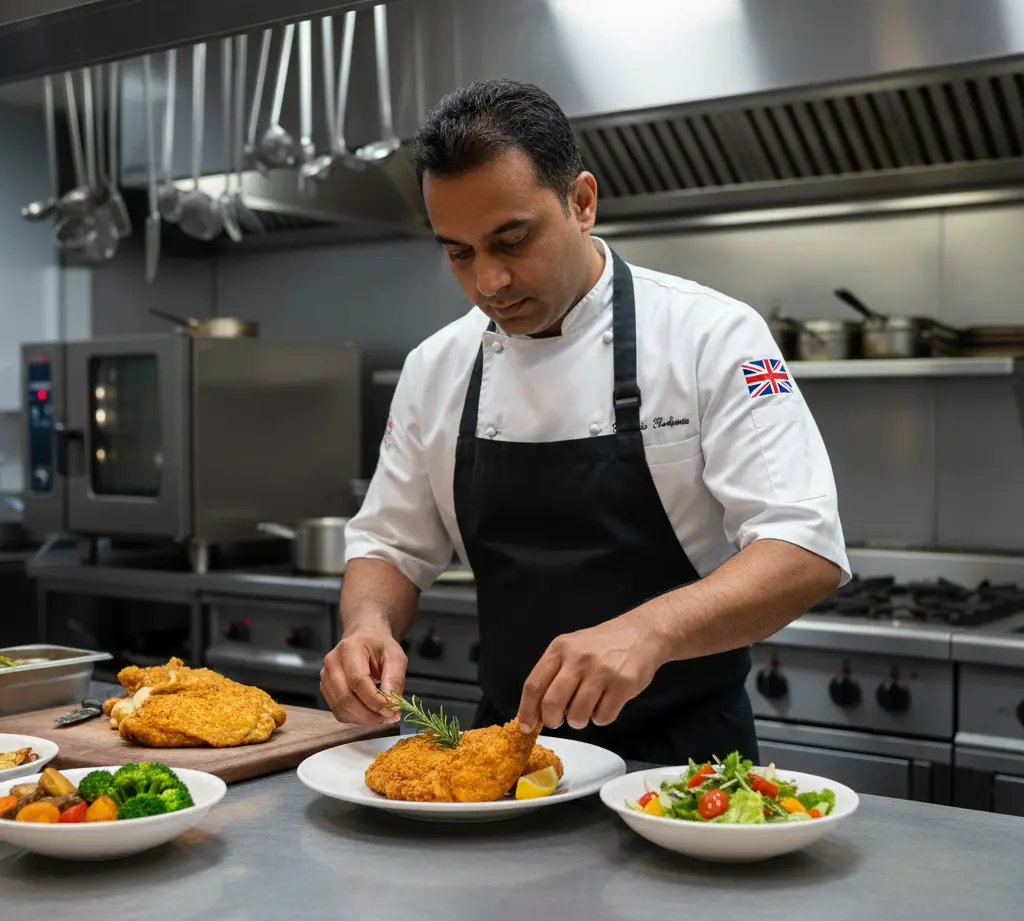
The Unmatched Advantage: Why HMC-Certified Chicken is Non-Negotiable for Your UK Restaurant For UK food service providers, offering perfectly cooked chicken is simply one half of the issue. Equally crucial are consistency, trust, and compliance—elements that diners today more than ever require. HMC (Halal Monitoring Committee) certified chicken clearly makes a difference in this situation. By obtaining HMC certification, your restaurant is demonstrating strict standards, ethical sourcing, and unwavering quality in addition to providing halal selections. Everything about HMC-certified chicken, from preparation to traceability, satisfies standards that improve kitchen efficiency and differentiate your menu from the competition. Types of Commercial Chicken Cuts The proper chicken cuts are crucial for developing a flexible menu and providing reliable client service in the food service sector. Commercial chicken cuts that are popular include: Breaded Chicken Fillets: Perfect for burgers, sandwiches, or main dishes, these fillets should be similar in size and thickness to guarantee even cooking and precise portion control. Their breaded coating adds texture and flavor while minimizing prep time. Chicken Poppers: Bite-sized chunks that are ideal for platters, appetizers, or sides. Consistent sizing is essential for cooking them evenly and maintaining a professional appearance across dishes. Chicken Wings: A choice for casual dining menus, platters, and munchies. Wings must be the same size to guarantee that they cook correctly, whether baked, fried, or grilled, as well as to give consistent portioning for cost control. It’s critical to source these cuts with consistent dimensions and dependable quality. In addition to increasing cooking efficiency, uniform cuts guarantee portion control, cut down on waste, and enhance your clients’ entire eating experience. What is HMC Certification The Halal Monitoring Committee (HMC) certification is more than just a halal label; it ensures integrity, quality, and full traceability across the supply chain. HMC functions on a principle of strict independent monitoring, guaranteeing every product—from the farm to the fork—satisfies the strictest halal standards without any compromises. Chefs, restaurant owners, and food service operators choose HMC-certified chicken for reasons of reputation and trust, not just compliance. All of HMC’s products are guaranteed to have been sourced, produced, and handled under the constant watchful eye of qualified inspectors. Modern diners place a high value on authenticity, consistency, and total transparency, all of which are ensured by this degree of control. In a competitive food service industry, the greatest chefs and restaurateurs understand that HMC certification does more than just meet religious regulations; it broadens your customer base, fosters trust, and shows a dedication to quality that discerning customers appreciate right away. Critical Cooking Levels for Chicken Cooking chicken at the proper temperature is more than simply getting that ideal golden crust; it’s also about assuring food safety and adhering to industry guidelines. Always boil poultry until the internal temperature reaches 74°C (165°F). This ensures that dangerous bacteria like Salmonella and Campylobacter are eliminated, protecting your food and your patrons’ trust. Chicken meals served on a service line or buffet should be kept at a minimum holding temperature of 60°C (140°F) to avoid the bacterial “danger zone.” Safety and taste go hand in hand in professional kitchens. Maintaining these crucial temperatures not only keeps customers safe but also protects your restaurant’s reputation and guarantees that every piece of chicken engenders trust and flavor. What to Eat or Serve with Chicken A plate of well-cooked chicken demands accompaniments that enhance its flavor. Whether it’s a crispy breaded fillet, juicy wings, or golden poppers, the appropriate sides and sauces can elevate a simple plate to a crowd-pleasing feast. Classic Sides: Consider crispy fries, creamy mac & cheese, or a fresh slaw to balance richness and crunch. These all-time favorites not only enhance the flavor of chicken, but also provide pleasant texture and color to the plate. Chef’s Plating Tip: In professional kitchens, the magic is in the pairing—every side, sauce, and garnish complements the dish’s hero: the chicken. Can You Cook Breaded Chicken Frozen Yes, you can cook breaded chicken from frozen, and this is frequently the suggested way for many food service and retail products. The purpose of frozen breaded chicken is convenience; it maintains freshness and guarantees uniform quality throughout production. Since the cooking times for various cuts and coatings can fluctuate, it is advisable to adhere to the cooking guidelines on the container. Frozen breaded chicken should be baked or fried until it achieves an internal temperature of 74°C (165°F) to guarantee it is fully cooked and ready to serve. Cooking from frozen also preserves the crispy coating and juicy interior, eliminating prep time and waste. This uniformity is essential in commercial kitchens since each dish cooks evenly, has a delicious texture, and maintains seamless service. Pro Chef Tip: Use fresh, high-quality cooking oils and fats, such as KTC Vegetable Oil or AVR 60 Solid Oil, and keep the frying temperature consistent. This guarantees maximum crispness while limiting oil absorption, leaving your chicken light, golden, and deliciously crispy. How Should You Season or Coat Chicken The coating is the key when it comes to cooking chicken. An ideal breading not only locks in moisture but also provides that appealing crunch customers crave. Using a high-quality breading mix, such as our Premium Original Extra Crispy or Famous Chicken Breading from the BREADINGS section, guarantees a uniform golden finish and a pleasing texture every time. Before breading, use bastings and marinades to create flavor layers. Products from our BASTES & MARINADES area assist chefs in infusing chicken with rich, distinct flavor characteristics that shine through every crispy mouthful. Great chicken begins in professional kitchens long before it is placed in the fryer. Ordinary poultry is transformed into a distinctive meal that is notable for its taste and texture when a well-marinated cut is combined with a quality breading blend. Is HMC Chicken a Good Business Choice Yes. HMC certification is more than just a religious duty; it also provides
What is Flat Iron Steak?
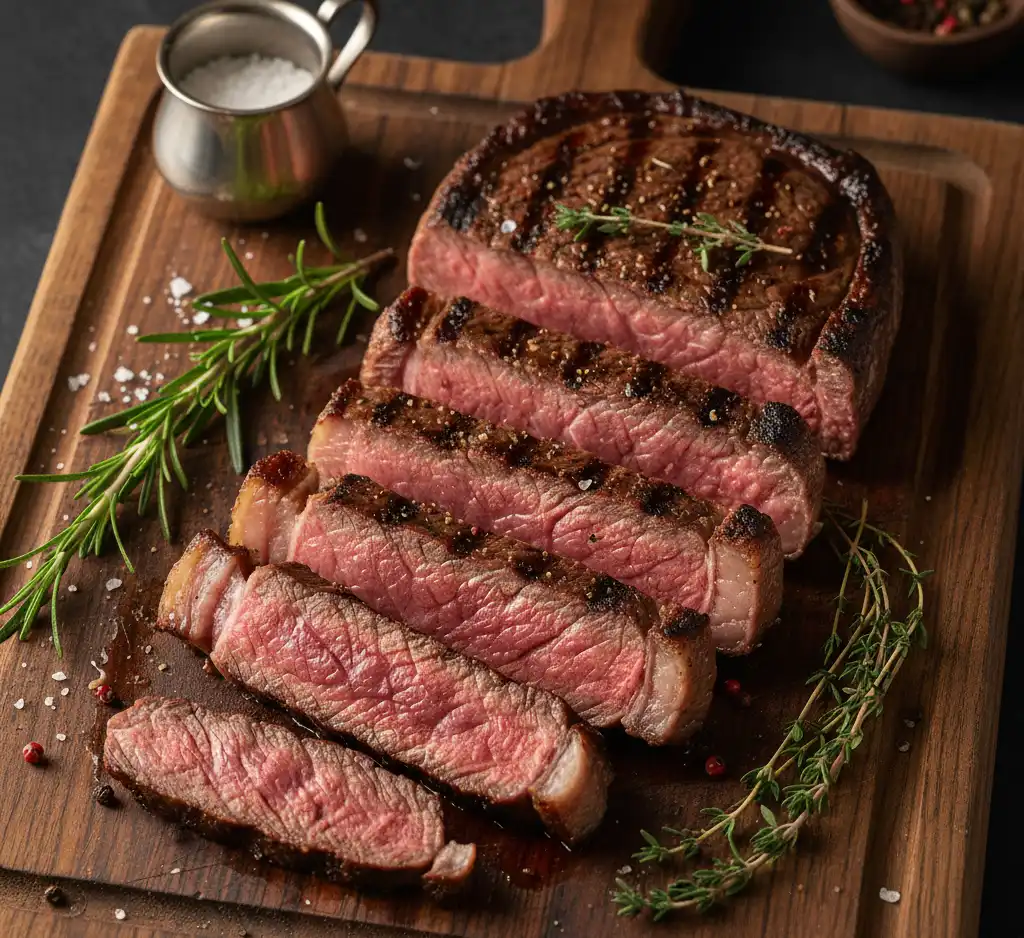
What is Flat Iron Steak? Flat Iron Steak is a relatively new favorite among steak lovers, known for its soft texture and deep, meaty flavor. Cut from the top blade of the cow’s shoulder, it’s meticulously cleaned to remove tough connective tissue, which makes it surprisingly tender for a shoulder cut. Unlike pricier steaks like ribeye or tenderloin, flat iron provides outstanding taste at a more affordable price, making it an appealing option for both home cooks and professional chefs. Its marbling provides juiciness and depth of flavor, which are evident whether grilled, pan-seared, or broiled. This versatility allows it to be served in a variety of ways, from traditional steak dinners to sandwiches and salads, making it ideal for both everyday meals and special occasions. Flat iron steak has won a place on menus and in kitchens all across the world for its combination of flavor, softness, and cost. What Part of the Cow is Flat Iron Steak From? The cow’s shoulder, more especially the upper blade part of the chuck, is where flat iron steak originates. A stiff segment of connective tissue runs across the middle of the top blade, which is a delicious and well-marbled portion of the shoulder. Butchers meticulously remove the sinew, producing a soft, flat cut of beef. This procedure alters a part of the shoulder that used to be considered tough into a steak that rivals more expensive cuts in tenderness and flavor. A well-marbled, juicy steak that is ideal for rapid, high-heat cooking techniques like grilling or searing is the end product. Why is it Called Flat Iron Steak? The name “Flat Iron Steak” refers to the unique shape and look of the steak. Once the tough connective tissue has been removed, the cut is rectangular, flat, and uniform, similar to an old-fashioned flat clothes iron. This shape, together with its tenderness and uniform thickness, lends itself to even cooking on a grill or pan. The name stuck because it’s easily recognizable and emphasizes the cut’s distinct, flat, and sleek shape when contrasted to other steaks. Over time, chefs and meat enthusiasts began to use the term “flat iron” to designate especially to this top-blade shoulder cut. What Does Flat Iron Steak Taste Like? Flat Iron Steak is known for its rich, meaty flavor and well-marbled texture, making each bite juicy and fulfilling. The marbling keeps the steak soft while cooking and releases tasty fat, which improves the natural beef flavor. When compared to ribeye, it is slightly less fatty but still has a rich, powerful flavor, making it a more inexpensive but equally enjoyable choice. When compared to sirloin, flat iron is more delicate and evenly textured, with a buttery mouthfeel that retains the robust flavor of classic beef. Its flavor is versatile; it exquisitely absorbs marinades and sauces while retaining its inherent depth. Flat iron steak combines softness, juiciness, and a rich, meaty flavor, making it a favorite among both amateur cooks and professional chefs. Are Flat-Iron Steak Tender? Yes, flat iron steak is incredibly soft, particularly considering it comes from the cow’s shoulder (chuck). Traditionally, shoulder cuts are harsher due to connective tissue and muscular use, but the flat iron steak is meticulously trimmed to remove the core sinew, leaving just soft, well-marbled flesh. It is now the second most tender of the standard cuts of steak, behind tenderloin. Its uniform thickness and marbling also aid in even cooking, guaranteeing a succulent, mouthwatering texture when cooked properly. This natural suppleness and good butchering make flat iron steak perfect for broiling, pan-searing, or grilling. How to Cook Flat Iron Steak? Flat-iron steak is adaptable and cooks nicely at high temperatures, maintaining its juicy texture. Here’s how to achieve the greatest outcomes: Grilling: Set the grill’s temperature to high. Add salt, pepper, and your preferred marinade or rub to the meat. Grill for approximately 4-5 minutes per side for medium-rare, depending on thickness. Before slicing, let it rest for a few minutes. Pan-Searing: Bring a hefty skillet or cast-iron pan to a high temperature. Sear the steak for 3–4 minutes on each side after adding a small amount of oil. Baste with butter and herbs for added taste, and always cut against the grain. Broiling: The steak should be placed on a broiler pan 4–5 inches away from the heat source. Broil for 4-5 minutes per side, flipping once, to desired doneness. Internal Temperature Guide: Rare: 120–125°F (49–52°C) Medium-Rare: 130–135°F (54–57°C) Medium: 140–145°F (60–63°C) Resting: Always let the steak sit for 5-10 minutes after cooking to allow the fluids to redistribute. Flat Iron Steak’s uniform thickness and marbling make it ideal for quick, high-heat cooking, resulting in a juicy, tasty steak each time. How to Season Flat Iron Steak? It’s easy to season flat iron steak since it already has a deep, meaty flavor that comes through with no help. Here’s how to bring out its inherent flavor: Basic Seasoning: Add salt and freshly ground black pepper first. Coat both sides of the steak liberally approximately 30-40 minutes before cooking to allow the flavors to permeate the meat. Herbs & Aromatics: Incorporate fresh herbs such as oregano, thyme, or rosemary. You can also rub chopped garlic or shallots for extra aroma. These bring out the natural flavor of the meat without overpowering it. Marinades (Optional): Marinate the steak in a blend of olive oil, soy sauce, balsamic vinegar, garlic, and herbs for 30 to 2 hours to enhance its flavor. Avoid extensive marinating durations because Flat Iron Steak is already tender and doesn’t require much acid to break it down. Finishing Touches: After cooking, brush with butter or sprinkle with a little finishing oil for extra richness and sheen. Finally, a dash of flaky sea salt enhances the flavor. The goal is to enhance, not mask, the steak’s natural flavor. Flat Iron Steak is juicy, delicious, and memorable because of its basic seasoning. Flat Iron Steak vs. Other Cuts
How to Cook the Perfect Steak
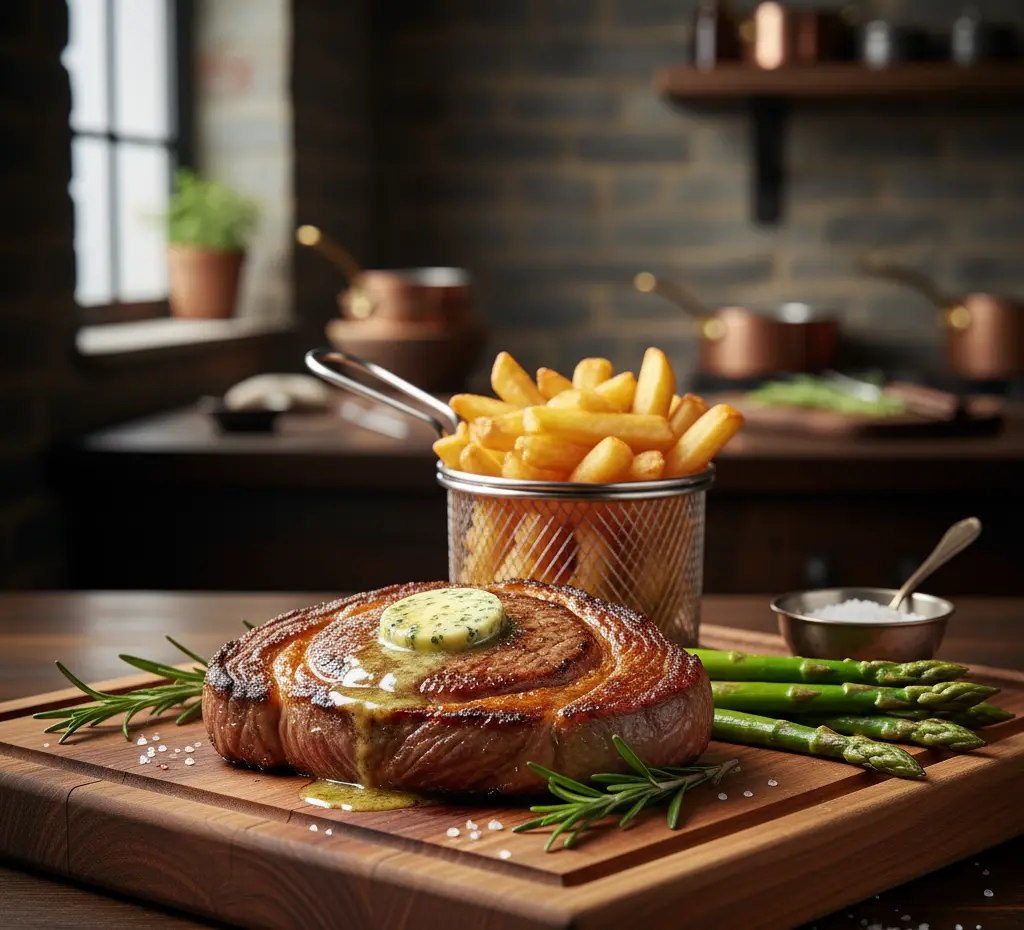
How to Cook the Perfect Steak – Restaurant Style Cooking steak perfectly is both an art and a science. From choosing the right cut to mastering the cooking time, chefs understand that every detail matters when it comes to attaining that mouthwatering perfection. The good news? You don’t have to go to a fancy restaurant to enjoy a juicy, flavor-packed steak; with the appropriate method, you can replicate the restaurant-style experience in your own home. In this guide, we’ll guide you through the procedures that top chefs abide by — from choosing the best cuts and marinating them just right to grilling, coating, and allowing your steak for that tempting finish. Regardless of your preference for rare, medium, or well-done, these suggestions will help you maximize each bite. Now light up your skillet and prepare to learn the techniques for preparing the ideal steak at home in the style of a fine dining establishment! Types of Steak Knowing the differences between the various cuts of meat is essential to grilling the ideal steak. Each cut has a distinct flavor, texture, and level of tenderness — and knowing which to choose can make all the difference. Here are some of the most common steak cuts you’ll encounter in restaurants (and your local butcher shop): Ribeye: Rich, juicy, and beautifully coated with fat, the ribeye is popular among steak lovers. Even at high heat, it retains its flavor and tenderness due to its high fat content. The classic buttery steakhouse experience is provided by the ribeye, which is ideal for pan-searing or grilling. Sirloin: Sirloin is a versatile cut that balances softness and meaty flavor. It’s somewhat tougher than ribeye but still tastes excellent, making it suitable for everyday cooking or quick dinner steaks. Fillet (Tenderloin): The fillet, also known as tenderloin, is the most sensitive cut of cattle. With little fat and a smooth, buttery texture, it’s ideal for special events. It’s commonly served as filet mignon in upscale dining establishments and pairs well with rich sauces. Flat Iron: The flat iron, which was once thought to be a lesser-known cut, has grown in popularity due to its rich flavor and suppleness. Cut off the shoulder, it’s surprisingly delicate when cooked correctly, and provides excellent value for the price. Tomahawk: A showstopper on any grill, the tomahawk steak is simply a bone-in ribeye with a long, frenched bone that gives it its dramatic appearance. It is renowned for its striking look, robust flavor, and rich marbling; it is ideal for sharing or making a statement at dinner. Various Steak Cuts Chefs are aware that each cut of steak has a unique tale to tell about its flavor, softness, and cooking method. Finding the ideal balance of rich, meaty flavor and melt-in-your-mouth tenderness is the true art. Fillet (Tenderloin): The Tender Classic The fillet, also known as tenderloin, is the best option if you’re craving softness. The buttery, nearly melt-on-your-tongue quality makes it the softest cut of beef. Because it’s a lean cut with little fat, it has a mellow flavor that goes well with sauces or compound butter. Fine dining establishments frequently serve it as filet mignon because it is consistently exquisite, sophisticated, and tender. Ribeye: The Flavor King However, the ribeye’s amazing marbling and flavorful depth make it a chef’s favorite. The fat streaks running through the meat melt during cooking, resulting in a juicy, delicious steak with a rich, savory scent. While somewhat less tender than a fillet, many chefs and steakhouses choose ribeye for its unparalleled depth of taste and consistency when grilled or pan-seared. What Chefs and Restaurants Buy In professional kitchens, the decision is frequently based on the type of dining experience that is desired. Fine-dining venues prefer fillet for appearance and tenderness, whereas ribeye reigns supreme in informal steakhouses due to its robust flavor and customer-favorite juicy texture. Many restaurants offer both — fillet for elegance and ribeye for pleasure — giving customers the best of both worlds. So, whether you’re attracted to the exquisite softness of a fillet or the rich flavor of a ribeye, knowing how chefs make their decision helps you cook — and order — like a pro. Cooking Levels for Steak Knowing the various stages of cooking is essential to preparing (and savoring) the ideal steak. From uncommon to expertly prepared, each step gives a distinct flavor, texture, and juiciness. To ensure that every bite is cooked to your exact preferences, chefs utilize both touch and temperature to determine the ideal doneness. Rare (120–125°F / 49–52°C) A rare steak is mostly crimson and cool in the middle, with a charred exterior. It’s exceptionally soft and juicy, with a clean, buttery beef flavor. Steak lovers who value the natural flavor and texture of the meat adore this degree. Medium-Rare (130–135°F / 54–57°C) Medium-rare, the chef’s preference, is the ideal combination of flavor and softness. The core is warm and pink, with the perfect amount of juiciness. Since it offers the perfect balance of texture, wetness, and flavor, the majority of restaurants choose this level. Medium (140–145°F / 60–63°C) A medium-sized steak has a slightly pink core and a strong, bouncy texture. It keeps good juiciness but requires more chew than medium-rare. For people who prefer a well-cooked outside with a touch of pink inside, it’s a popular option. Well-Done (160°F / 71°C and above) Well-done steaks are cooked thoroughly and have no pink left on them. The caramelization of the outer layer results in a stronger texture and a richer flavor. Many people appreciate its strong, smoky flavor and crisp sear, even if it loses some of its juiciness. What to Eat or Serve with Steak Classic Sides: Steak and fries are one of the most recognizable combos. Golden, crispy potatoes provide the ideal counterpoint to the succulent, delicate beef. Grilled or roasted veggies, such
How to Buy Food Wholesale – Explained

Why & How to Buy Food Wholesale Many people choose to buy food in bulk because it saves them money, eliminates the need for frequent shopping trips, and guarantees that they always have the necessary ingredients on hand. For businesses like restaurants, caterers, and cafés, this implies increased profit margins, constant product quality, and dependable stock availability. Even big families profit from buying in bulk by lowering costs and reducing waste from several small packages. Determine the goods you use most frequently and calculate how much you’ll need each month. Research trustworthy wholesale suppliers or distributors who provide high-quality products at reasonable pricing. Examine delivery choices, compare costs, and, if at all possible, get samples. Some wholesalers may demand business registration or a trade license, so have your papers ready. After locating a reliable supplier, start with modest orders to assess their dependability before progressively increasing your purchase volume as you establish a lasting partnership. What Are the Risks of Bulk Buying? While bulk-buying might be simple and cost-effective, there are a few possible concerns if not handled properly: Spoilage and Waste: Perishable items like fruits, vegetables, or dairy products may expire before you can use them, leading to unnecessary waste. Storage Issues: Buying in bulk requires adequate space to store items properly. Poor storage can lead to contamination, pest issues, or product damage. Upfront Costs: Purchasing large quantities often means a higher initial investment, which might strain your budget if not planned wisely. Quality Concerns: If you’re not familiar with the supplier, you risk ending up with products that don’t meet your quality expectations. Overconsumption: Having large quantities of food on hand can lead to overeating or using more than necessary, especially with snacks or convenience foods. Price Fluctuations: In some cases, bulk items may not always be cheaper—prices can change, and promotions on smaller packs might occasionally offer better deals. Why is Buying Food in Bulk Cheaper? Purchasing food in bulk is less expensive because it lowers costs at every stage of the supply chain, benefiting both suppliers and consumers. Suppliers can pass the savings to you when you buy in bulk, as they incur lower costs on handling, shipping, and packaging. Bulk buying also avoids retail markups, as you generally purchase directly from wholesalers or manufacturers. This means you’re paying closer to the product’s base cost than its higher retail price. Buying in bulk saves time and money for both consumers and businesses. Bulk purchasing is a wise and cost-effective option for homes, restaurants, and food service providers trying to better manage their budgets because these little savings compound up over time. Is It Smart to Buy in Bulk? Yes, buying in bulk can be a wise financial and practical decision, but it all relies on what you’re buying and how you handle it. When done correctly, bulk purchasing allows you to save money, decrease packaging waste, and maintain a consistent supply of necessities. It is especially useful for non-perishable commodities such as grains, canned goods, cleaning supplies, and household necessities. However, in order to be genuinely sensible, you must prepare ahead of time – only buy what you can adequately store and utilize before expiration. For perishable items or products you rarely use, bulk buying can result in waste instead of savings. What are Four Disadvantages of Buying in Bulk? Storage Problems: Bulk items occupy a lot of room, and without adequate storage, food can rot or become damaged. This is especially difficult for those with limited kitchen or pantry space. Risk of Waste: Perishable commodities purchased in bulk may expire before they are used, resulting in food waste and missed savings. Higher Upfront Costs: Bulk buying necessitates spending more money at once, which might be a burden on your budget even if it saves money in the long term. Temptation to Overuse: Having an abundance of supplies on hand may lead to overconsumption; you may use or consume more than is necessary just because it is accessible. What are the Disadvantages of a Wholesale Market? High Minimum Order Requirements: Wholesalers frequently require significant minimum purchases, which might be difficult for small restaurants or cafés with limited storage or cash flow. Storage and Inventory Management Issues: Bulk food purchases necessitate sufficient storage space and appropriate temperature control to preserve freshness, which not all food service establishments can effectively handle. Risk of Spoilage: Perishable items like produce, dairy, and meat can spoil quickly if not used in time, leading to financial losses. Limited Product Variety: Some wholesale shops concentrate on bulk essentials and may not have the unique or premium ingredients required for different menus. Inconsistent Quality or Supply: Product quality and availability may differ between batches or suppliers, influencing menu consistency and customer satisfaction. Time-Consuming Procurement: Buying from a wholesale market often requires early visits, manual selection, and transportation arrangements — taking time away from daily business operations. Final Thought Buying food wholesale is an intelligent and sustainable approach for food businesses to save expenses, ensure a continuous supply, and maintain product quality. Restaurants, shops, and catering services can obtain a variety of fresh, premium ingredients at affordable costs by collaborating with a reliable food wholesale distributor. The secret is to carefully consider what you need, evaluate providers, and establish enduring connections that can help your firm expand. We at Steakbox Food Service, the best food wholesale distributors, make buying food in bulk easy, dependable, and profitable. We support the success of your company with our dedication to quality, prompt delivery, and client happiness.
What is a black angus steak
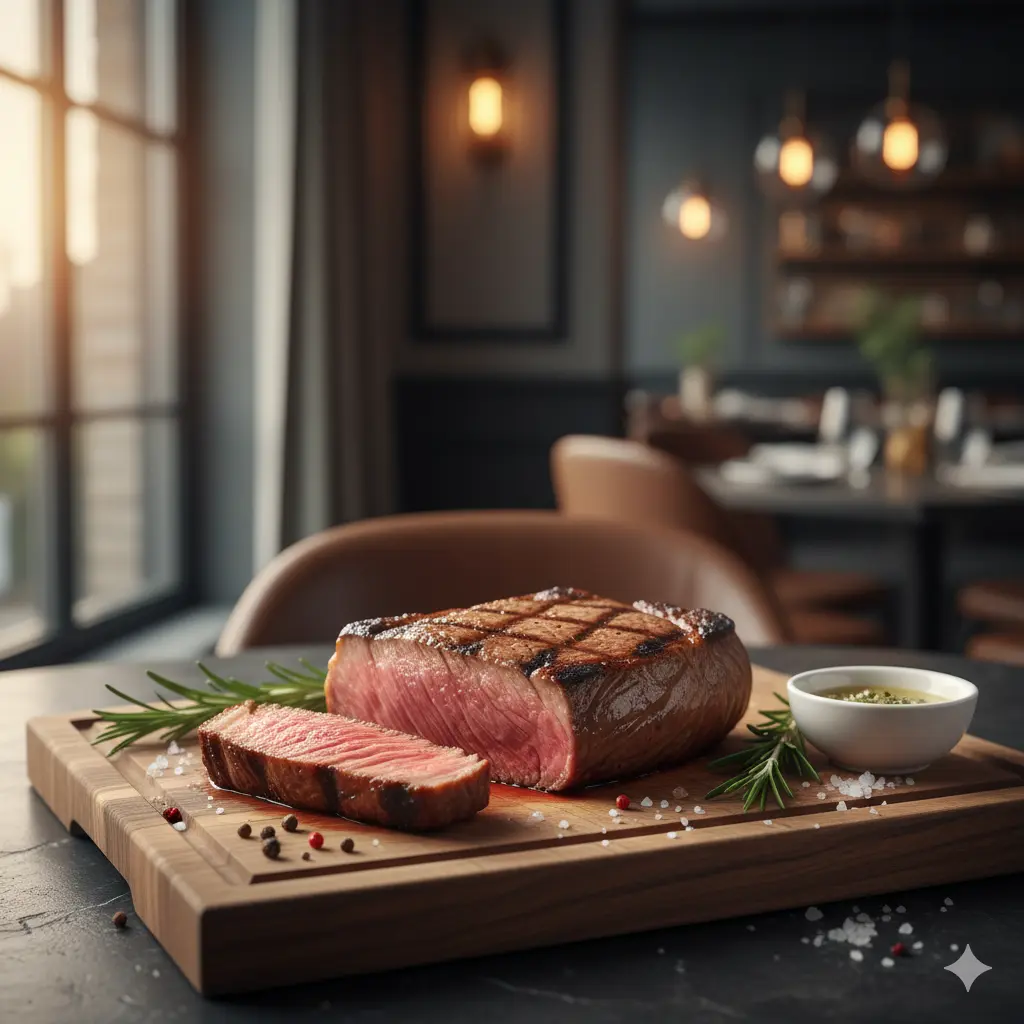
Discover the high-quality and deep flavor of Black Angus steak, a popular choice among chefs, restaurants, and food fans. Sourced from Black Angus cattle, renowned for their outstanding flavor and softness, these steaks provide a juicy, flavorful taste with every bite. Black Angus provides a range of cuts that are perfect for grilling, pan-searing, or roasting, including ribeye, tenderloin, sirloin, and striploin. We discuss in this blog everything about Black Angus steak, which makes it a great addition to your menu or retail products. What is Black Angus Black Angus refers to Angus cattle with black hides, a Scottish breed famed for producing soft, tasty steak with plenty of marbling. The term “Black Angus” refers to these animals rather than a grade of meat, with the quality of the beef being determined by the breed’s genetics. Raised for their outstanding meat qualities, these animals produce the highly valued “Certified Black Angus” steak. What is Black Angus Beef Black Angus beef is produced from the Black Angus breed of cattle, which is well-known for its superior quality. This beef is known for its rich texture and provides exceptional tenderness, juiciness, and flavor. Common cuts, including ribeye, sirloin, tenderloin, and striploin, showcase their superior flavor, making it a popular option for eateries, merchants, and customers looking for premium beef. With its constant texture and improved eating experience, Black Angus beef has acquired a reputation as one of the best meats available anywhere in the world. Do Black Angus Have Horns Black Angus cattle are naturally polled; therefore, they are born without horns. This characteristic lessens the need for dehorning, which is frequently necessary in other cattle breeds, in addition to making them safer and simpler to handle. One of the reasons Black Angus is a popular breed among farmers and ranchers around the world is that they are naturally hornless. What is a Black Angus Steak A Black Angus steak is a high-quality cut of meat from Black Angus cattle, which originated in Scotland but are currently raised all over the world. Black Angus is distinguished by its remarkable marbling, which is tiny fat strands scattered throughout the muscle. This natural marbling improves tenderness, juiciness, and flavor, giving Black Angus steak its distinct ,rich taste that chefs and foodies alike like. In the kitchen, Black Angus steak is coveted because it provides a restaurant-quality experience even at home. Whether grilled, pan-seared, or roasted, it retains its succulence and flavor with no added seasoning, making it suitable for both simple and elegant dinners. Its melt-in-your-mouth texture and robust, meaty flavor make cuts like ribeye, sirloin, tenderloin, and striploin especially popular. Black Angus beef has grown in favor in the United Kingdom as demand for high-quality, traceable, and premium meat products has increased. It is a popular option for menus, retail shelves, and wholesale suppliers since both customers and restaurants value its consistency, softness, and excellent dining experience. Black Angus’s standing as one of the most sought-after steaks in the UK has been solidified by its commitment to true flavor and high-quality standards. How to Cook Black Angus Steak Cooking a Black Angus steak involves improving its natural softness and rich marbling without complicating the procedure. Its juicy, delicious qualities should be highlighted while maintaining a mouthwatering texture. Choose the Right Cut Popular cuts include ribeye, sirloin, tenderloin, and striploin. Tenderloin is buttery soft, sirloin strikes a balance between flavor and leanness, striploin gives a robust beefiness, and ribeye is rich and juicy. Bring to Room Temperature Remove the steak from the refrigerator for 30 to 40 minutes before cooking. As a result, it cooks more evenly, and the surface doesn’t overcook while the middle stays chilly. Simple Seasoning is Best The marbling in black angus steak already gives it a great flavor. A light sprinkling of sea salt, freshly ground black pepper, and a drizzle of olive oil is typically sufficient. You can also add garlic, herbs, or a spice rub for more flavor. Cooking Methods Grilling: Perfect for sirloin or ribeye. Preheat the grill to high heat, sear each side for a few minutes, then finish over medium heat. Pan-Searing: Ideal for striploin or tenderloin. Use a heavy skillet (such as cast iron), sear with butter and herbs, then baste to seal in flavor. Oven Finish: For thicker cuts, sear on high heat first, then finish in the oven at 180°C (350°F) until desired doneness. Mind the Doneness A Black Angus steak should be eaten medium-rare to medium (internal temperature of 55–60°C/130–140°F) for the finest flavor. As a result, it stays juicy without drying out. Rest Before Serving After cooking, give the steak five to ten minutes to rest. You get a more tasty and tender bite as a result of the water being able to disperse. Serving Suggestions Serve your Black Angus steak with roasted veggies, mashed potatoes, or a fresh salad. A simple red wine reduction or herb butter can enhance the dish without dominating the beef’s inherent flavor. Is Black Angus Beef Good Yes, Black Angus beef is regarded as one of the best beef varieties in the world. Its natural marbling—thin strands of fat within the meat—is what gives it its reputation for being consistently delicious, juicy, and tender. Black Angus steak has a rich, buttery flavor that distinguishes it from many other beef types because of the melting marbling that occurs when cooking. In the United Kingdom, Europe, and the United States, Black Angus beef is popular among both restaurants and home cooks. Chefs respect it because it provides the consistent premium experience that clients want, while consumers utilize it for special occasions and meals. Labels like Certified Angus Beef provide assurances of quality and traceability, which contribute to its popularity. What is a Black Angus Burger A Black Angus burger is prepared with ground beef from Black Angus cattle, a breed known for its superior meat quality. Black Angus burgers, unlike normal burgers, are distinguished by their remarkable
What is Karak Chai? Everything You Need to Know
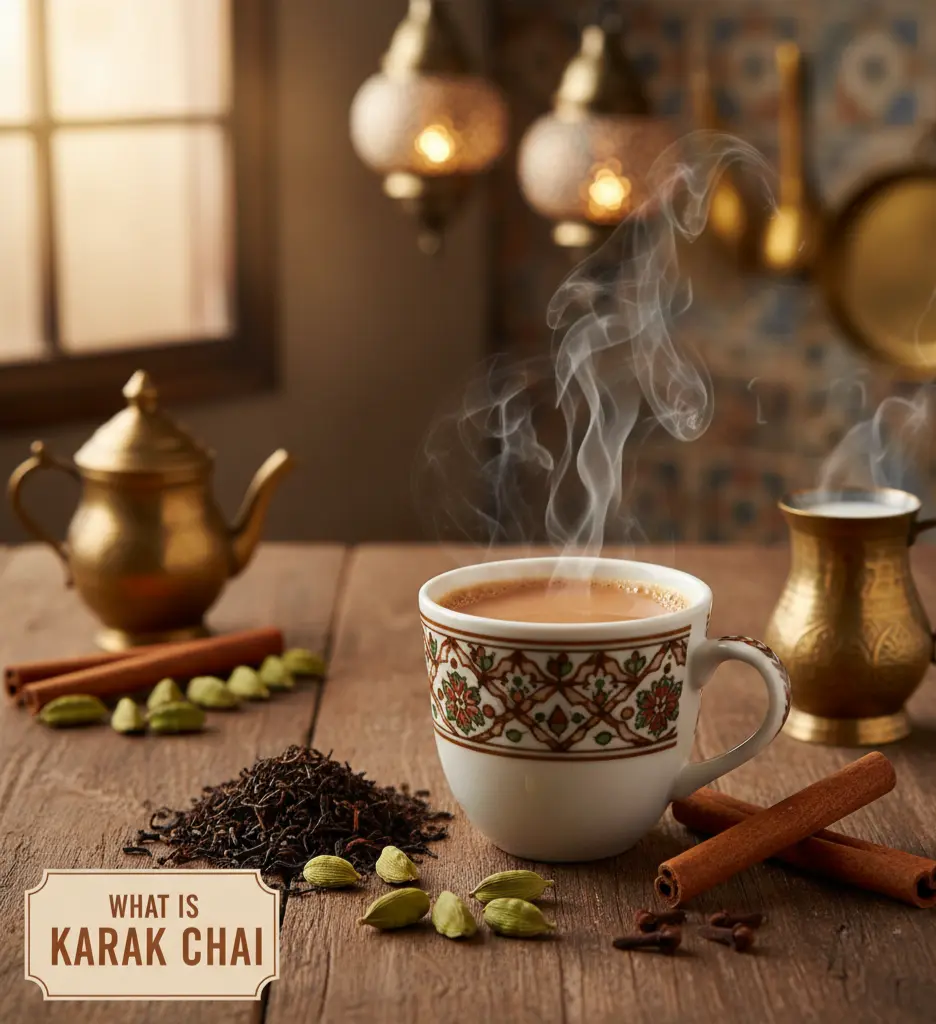
Everything You Need to Know about Karak Chai Karak chai, a rich and fragrant spiced tea, is a popular beverage in the Middle East, South Asia, and beyond. It is a favorite among daily tea drinkers due to its potent aroma, rich flavor, and creamy texture. Typically found in homes, roadside tea stalls, and contemporary cafes, karak chai has become more than just a drink—it is an essential component of daily life and routine. The tea holds cultural significance as well, frequently acting as a time for friends, family, and coworkers to connect. Its comforting warmth and energizing flavors have earned it a place in the hearts of millions, serving as a symbol of hospitality and tradition. Today, karak chai keeps rising in popularity, connecting cultures and delighting tea lovers wherever it is offered. What Is Karak Chai? It is commonly created by brewing black tea with milk, sugar, and a spice blend such as cardamom, giving it a powerful flavor, rich aroma, and creamy texture. Often offered in small cups at roadside stalls, cafes, and homes, karak chai is more than just a drink—it is an embodiment of kindness, friendliness, and community. Admired by people of all ages, it has advanced beyond tradition to turn into a daily ritual and a sacred comfort for millions. Karak Chai – Meaning The term “karak” itself translates to “strong,” indicating how intense its flavor is. Karak Chai refers to a spicy, milky tea that is richer and stronger than conventional chai, distinguished by its robust flavor and creamy texture. Karak Chai Origin Karak chai traces its origins to British colonial influence in India, when tea estates blossomed during the 19th century. Local chaiwallas quickly elevated basic tea to new heights by adding milk, sugar, and aromatic spices, ushering in the first masala chai varieties. Indian laborers brought this custom to the Persian Gulf in the 1960s, where their potent, cardamom-infused beverages immediately won people’s love. Tailored to regional preferences, the tea became stronger, creamier, and more aromatic, giving rise to karak chai. Today, it is a cultural mainstay in Qatar, the UAE, and Oman, served everywhere from tiny roadside vendors to crowded cafes. From its South Asian origins to its Gulf identity, karak chai has evolved into more than a drink; it is a daily ritual and a symbol of warmth, connection, and hospitality that continues to bring nations together. Karak Chai Tea Ingredients Black tea leaves Milk Sugar Cardamom Optional spices: Cloves, cinnamon, ginger, or saffron for added warmth and depth. Karak chai is made by boiling black tea leaves in water with cardamom and other spices. After that, milk and sugar are added, and the mixture is cooked until it becomes rich and creamy. The end product is a potent, fragrant tea that is suitable for any time of day and is both stimulating and soothing. Karak Chai vs Masala Chai, Are They Same? Despite having similar origins, karak chai and masala chai are not exactly the same. A blend of black tea, milk, sugar, and other spices, including cardamom, cloves, cinnamon, ginger, and pepper, is used to make masala chai, which has its origins in India. It has layers of flavor and is peppery and fragrant. In contrast, karak chai is simpler and potent, typically consisting of black tea, milk, sugar, and cardamom as the main spice. It is creamier, stronger, and less spicy than masala chai, making it popular in the Gulf. In short, masala chai honors richness, whereas karak chai emphasizes strength and simplicity. Karak Chai Calories A cup of karak chai has a modest calorie content, depending on how it is prepared. A cup (120–150 ml) of karak chai typically has 100–150 calories, mostly from the milk and sugar that are added to the tea. If made with full-fat milk and excessive sugar, the calorie count can be substantial; however, using low-fat milk or less sugar significantly lowers it. Spices such as cardamom, cinnamon, and cloves provide taste and smell without adding calories. This makes karak chai a soothing drink that can be used in moderation as part of a healthy diet. Karak Chai London Karak chai has found a home in London’s lively food market because of manufacturers that sell superior wholesale mixes to cafes, restaurants, and stores. Steakbox Food Service is one such supplier, offering a variety of karak chai blends in flavors ranging from traditional cardamom to ginger-infused. Quality ingredients, various package sizes, and options such as low-sugar versions allow London enterprises to cater to both traditional karak fans and modern tea consumers. Our Karak Chai Menu We bring the real taste of karak chai to your restaurant, offering a range of flavors to suit every customer’s choice. We have Masala Karak Chai, Cardamom Karak Chai, Ginger Karak Chai, and Plain Karak Chai on our menu. Each variant is designed for convenience and consistency, allowing cafés, restaurants, and stores to provide a flawless cup every time. With our premium ingredients and adaptable packaging choices, you can provide your consumers with the popular flavor of karak chai in a variety of choices. 1. Ginger Karak Chai Strong black tea, creamy milk, fragrant cardamom, and a faint taste of ginger are all combined in our Ginger Karak Chai, a comforting take on the traditional karak chai. Ideal for a revitalizing, refreshing cup that arouses the senses with each drink. 2. Masala Karak Chai A bold and fragrant blend of strong black tea, creamy milk, and traditional spices, our Masala Karak Chai offers the rich, warming tastes of standard spiced tea in every sip. 3. Cardamom Karak Chai Infused with the subtle scent of cardamom, our Cardamom Karak Chai is a smooth, classic tea that tastes great at any time of day. 4. Plain Karak Chai Our Plain Karak Chai offers the distinctive, reassuring flavor of traditional karak chai in a traditional cup of robust, creamy tea with the ideal ratio of milk to sugar. Final Thoughts From
How to Cook Frozen Burgers: A Quick & Easy Guide

How to Cook Frozen Burgers: A Quick & Easy Guide Cooking frozen burgers doesn’t have to be hard or time-consuming. This blog post will demonstrate how to properly cook frozen burgers on a grill, stovetop, or in the oven, while maintaining their flavor and juicy texture. You’ll learn how to cook them uniformly and boost their flavor with basic seasonings and toppings. These methods make it simple to prepare frozen burgers that taste as good as they do when cooked by a skilled chef or a newcomer. Follow our guide, and you’ll never have to worry about how to cook frozen burgers again! How to Cook Frozen Burgers? Cooking frozen burgers is straightforward and may be done on a grill, stovetop, or in an oven. Set your cooking surface, such as a skillet, grill, or oven tray, to medium heat to begin. Without melting, place the frozen burgers directly onto the hot surface and cook for 4 to 5 minutes on one side. Flip the burgers gently and cook for another 4-5 minutes, until the internal temperature reaches at least 160°F (71°C) for beef or 165°F (74°C) for chicken. Season the burgers while frying and add cheese at the last minute to melt nicely. Allow the burgers to rest for a few minutes before serving, then top with buns and your preferred toppings for a quick, tasty supper. Can You BBQ Frozen Burgers? Yes, you can BBQ frozen burgers, and they can be juicy and tasty if done right. To BBQ frozen burgers, preheat your grill to medium heat and set the patties straight on the grates. Make sure to grill them slowly, flipping occasionally, so they cook evenly without browning on the outside. You can brush it with a little BBQ sauce in the final minutes of cooking to add more flavor. Once finished, take them from the grill and allow them to rest for a few minutes before serving your flawlessly BBQ’d frozen burgers. How Long to Cook Frozen Burgers in Oven? Cooking frozen burgers in the oven is a simple and efficient method. Preheat the oven to 400°F (200°C) and arrange the frozen patties on a baking sheet coated with foil or parchment paper. Bake the burgers in the oven for 20-25 minutes, rotating them halfway through for even cooking. For optimal results, ensure that the internal temperature reaches at least 160°F (71°C) for beef and 165°F (74°C) for poultry. After the burgers are done, take them out of the oven, give them a few minutes to rest, and then serve them with your preferred buns and toppings. How to Cook a Frozen Burger in a Pan? Cooking a frozen burger in a hot pan is quick, simple, and ideal when you don’t have access to a grill. First, preheat your pan over medium heat and lightly oil it to keep it from sticking. After putting the frozen burger straight into the pan, cook it for five to six minutes on one side before turning it over. Continue cooking in the pan until the burger achieves an internal temperature of 160°F (71°C) for beef and 165°F (74°C) for chicken. After a minute of resting, serve your delicious burger with your preferred toppings right out of the pan. How Long to Cook Burgers in Air Fryer UK Burgers are an easy and effective way to enjoy a quick dinner when cooked in an air fryer. In the UK, prepare your air fryer to 180°C and arrange the burgers in a single layer inside the basket. Cook for 12-15 minutes, flipping midway to ensure that all sides are cooked evenly. A temperature of 75°C should be reached inside before serving for safety and optimal flavor. This procedure preserves the burgers’ juiciness on the inside while giving them a lovely crispy outside. Can You Cook Beef Burgers from Frozen? Yes, you can cook a beef burger straight from the freezer, which is both safe and convenient. Cook a frozen beef burger on a preheated grill, pan, or in the oven until the internal temperature reaches 160°F (71°C). Cooking a frozen beef burger may take slightly longer than cooking a fresh one, but it will still be juicy and flavorful. A frozen beef burger can be just as tasty as a freshly produced one if prepared properly. At Steakbox Food Service, we collaborate closely with reputable suppliers in the food wholesale UK to deliver a diverse choice of high-quality products. Our wholesale distribution guarantees that restaurants and caterers have the freshest products to serve their customers, including a variety of burger varieties and halal options.
Understanding the New Food Waste Regulations 2025: What It Means for Your Business

Understanding the New Food Waste Regulations 2025: What It Means for Your Business With the new food waste regulations 2025 taking effect across the UK, restaurants and suppliers are ready for significant changes in how surplus food and waste are managed. These rules are intended to lessen the negative effects of food waste on the environment while enticing companies to use more environmentally friendly, intelligent procedures. As a reputable wholesale food supplier in the UK, we are dedicated to helping restaurants by offering solutions that streamline and expedite compliance. Our mission is to help our hospitality sector partners operate smoothly while also embracing a more sustainable and cost-effective future. Why the New Regulations Matter The new food waste regulations 2025 aim to reduce the environmental impact of discarded food and encourage enterprises to adopt more sustainable practices. Restaurants will have to separate food waste from general waste, making recycling and proper disposal a legal requirement. These initiatives not only cut garbage waste but also contribute to the UK’s overall climate change goals. For wholesale providers, this entails rethinking supply chain management to guarantee that products are supplied in the appropriate quantities, with longer freshness, and with minimal waste. How Wholesale Suppliers Can Support Restaurants Wholesale food providers are essential in assisting companies in adjusting to these developments. Working together with restaurants, suppliers can: – Offer flexible order sizes to minimize surplus stock – Provide products with clear shelf-life labeling for better planning – Introduce sustainable packaging solutions to reduce waste at every stage – Share insights on demand forecasting to match supply more accurately with customer needs With these strategies, suppliers and restaurants can collaborate to meet the new food waste standards of 2025 while maintaining smooth and reasonable operations. The Business Benefits of Compliance Long-term benefits of compliance go beyond avoiding fines. Restaurants that use waste-reduction strategies frequently experience lower expenses, more productivity, and a better reputation for sustainability. Complying with the new regulation is also a chance to show leadership in responsible dining. Wholesale suppliers can reinforce this by offering consistent, high-quality products in the appropriate quantities, ensuring profitability and compliance. Conclusion The new food waste regulations 2025 mark an important moment for the UK food sector, demanding companies to reconsider how they handle leftovers and disposal. For both restaurants and suppliers, creating a sustainable future is more important than merely adhering to regulations. At Steakbox Food Service, the best wholesale food suppliers in the UK, we’re dedicated to collaborating with our wholesale partners to accept these adjustments, cut waste, and provide each dish with exceptional quality. We can work together to transform regulation into opportunity.
The Best Wholesale Baked Goods for Cafes and Hotels in the UK
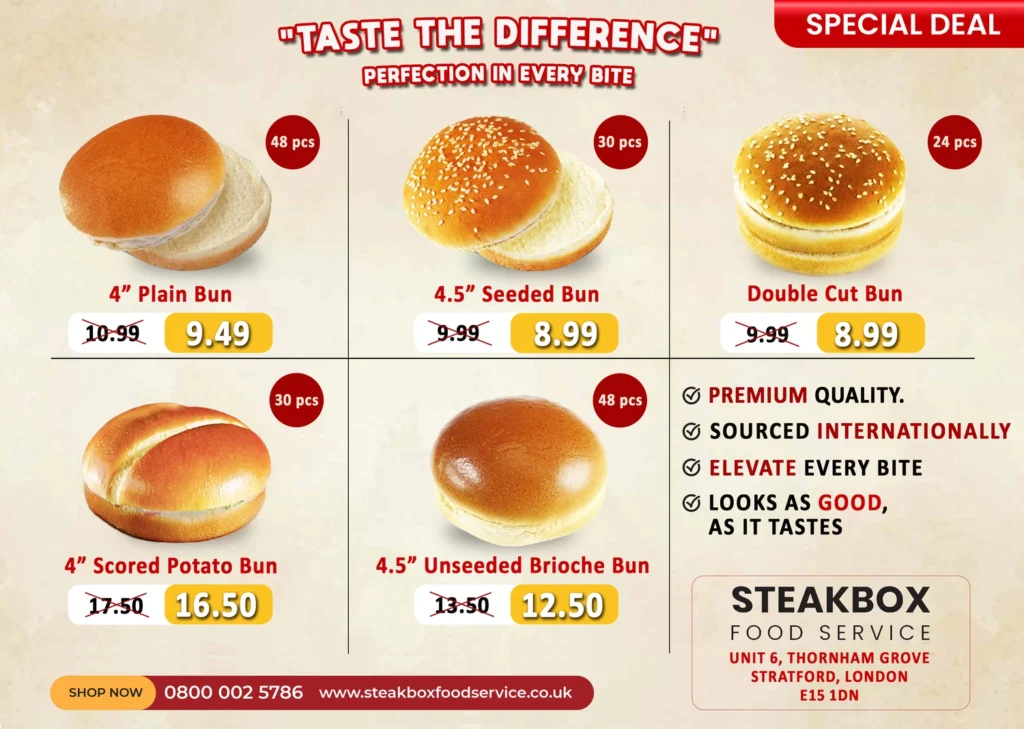
The Best Wholesale Baked Goods for Cafes and Hotels in the UK When it comes to running a successful cafe or hotel, high-quality baked goods can genuinely distinguish your establishment and create a lasting impression on your clients. We at Steakbox know how crucial it is to provide bakery goods that are constantly of the highest caliber, tasty, and fresh. Our extensive assortment of baked goods is tailored to the demands of cafes, hotels, and other hospitality establishments throughout the UK. As one of the leading wholesale food suppliers in the UK, Steakbox Food Service prides itself on providing goods that not only fulfill taste but also help our clients improve efficiency in their kitchens. Businesses can benefit from dependable supply, outstanding quality, and a range of options that elevate every menu and dining experience by working with us. Why Quality Baked Goods Matter Many cuisines are built around breads, buns, rolls, and pastries. Freshly baked goods can improve breakfast, brunch, and snack menus in cafes. Hotels rely on baked products for buffets, room service, and special occasions. By collaborating with trustworthy food wholesale UK distributors, you can ensure that your business always has a steady supply of essential bakery goods, maintaining the quality and uniformity of each dish. We provide a large selection of baked goods that are created using high-quality ingredients, ensuring their freshness and exceptional flavor. From gourmet reads to soft buns and rolls, our goods are tailored to the different demands of the UK hospitality sector. Consistency & Convenience with Wholesale Supplies One of the primary benefits of purchasing bakery products from reputable wholesale food suppliers in the United Kingdom is consistency. The consistency of taste, texture, and appearance across all products fosters consumer loyalty and trust. We also offer flexibility in bulk orders, allowing cafes and hotels to vary amounts based on seasonal demand, special events, or menu modifications. This guarantees that kitchens are well stocked, with no waste or shortages. Working together with a reputable wholesale food supplier in the UK, you can optimize your supply chain while upholding the exacting standards that your clients demand. Catering to Modern Tastes & Dietary Needs Specialty and vegan baked items are becoming more and more popular in the UK. We provide a variety of products, such as vegan breads, gluten-free pastries, and premium buns, allowing businesses to appeal to health-conscious and diverse client tastes. Cafés and hotels can maintain their competitiveness and reach a larger audience by providing these options. Reliable Delivery & Support Beyond the quality of the product, prompt distribution and outstanding customer service are vital for food wholesale in the UK. We understand the fast-paced world of cafés and hotels. Our staff ensures your baked goods arrive on time and fresh, which simplifies inventory management and frees you up to concentrate on providing outstanding customer service. Conclusion Bakeries that want to impress customers and expand their business must provide high-quality, reliable, and adaptable baked goods. As a reputable wholesale food supplier in the UK, Steakbox Food Service provides a diverse choice of bakery items, including traditional breads and buns, as well as specialty and vegan options. Partner with us today to see how superior wholesale baked products can enrich your menu and improve your customers’ experiences.
Top-Selling Snacks and Beverages in the Wholesale Market

Top-Selling Snacks and Beverages in the Wholesale Market The wholesale food market in London is growing, with snacks and beverages driving demand. At Steakbox Food Service, one of the best wholesale food suppliers in the UK, we know what retailers, cafes, and hospitality organizations look for when filling their shelves. Whether you’re looking for dependable food wholesale London suppliers or trying out new products to attract more clients, knowing the best-selling products can give your company a competitive advantage. Popular Snack Choices Snacking is still something that everyone does, and in the bulk market, some types of snacks always stand out. Crisps and chips remain unbeatable for quick sales due to their variety of flavors and wide customer appeal. Desserts and rolls also dominate, especially in impulse-buy sections where customers often grab a quick treat. As one of the best food wholesale distributors, we guarantee our clients have access to both premium snack brands and affordable substitutes through our food wholesale London network. This flexibility helps companies satisfy various client demands without sacrificing performance. Healthy snack choices are also becoming increasingly popular. Protein bars, dried fruits, and baked snacks are gaining popularity among health-conscious consumers. Best Selling Beverages Soft drinks and bottled water still hold a dominant position in the wholesale beverages business. Carbonated drinks from prominent companies are always in demand, while still and sparkling waters are becoming increasingly popular. Additionally, energy drinks and sports drinks have become increasingly popular, especially with younger consumers. Steakbox Food Service, one of the best wholesale food suppliers in the UK, recognizes that the beverage industry is growing and challenging. That’s why our food wholesale distributors team finds a diverse range of products, from everyday staples like tea to rising trends like mojitos. By providing this diversity, we assist businesses throughout London in keeping their beverage inventory fresh and profitable. Why Snacks & Beverages Matter in Food Wholesale Snacks and beverages are more than just ordinary items; they are high-volume, high-margin necessities that fuel consistent revenue for retailers and hospitality establishments. These products are essential to the profitability of supermarkets, convenience stores, and cafés since they frequently represent a significant percentage of impulsive purchases. By collaborating with reputable food wholesale distributors, food wholesale London firms can retain diversity, meet customer demand, and launch popular goods without experiencing supply disruptions. Ultimately, having the correct snacks and beverages on hand is important for both addressing consumer needs and boosting business success. Conclusion Achieving a competitive edge in the food and beverage industry requires staying ahead of consumer trends. Crisps, chocolates, biscuits, bottled water, and energy drinks remain the best-sellers, but healthier snacks and inventive beverages are becoming increasingly popular. At Steakbox Food Service, a known leader in food wholesale in London, we take pleasure in being one of the most dependable food wholesale distributors, assisting businesses in stocking the correct products at the appropriate time. With our broad selection and dedication to quality, we guarantee your shelves are constantly prepared to meet demand.